Introduction
In the world of custom cars, few debates are as passionate as the one between rat rod enthusiasts and traditional hot rod purists. While both styles share a love for vintage vehicles and performance, they differ significantly in philosophy, aesthetics, and execution. Whether you’re a seasoned builder or just getting started, understanding these differences can help you choose the right path for your next project.
1. Overall Philosophy and Approach
Traditional hot rods are built with a focus on craftsmanship, performance, and clean design. Builders aim for a polished, often show-quality finish that reflects the golden era of hot rodding.
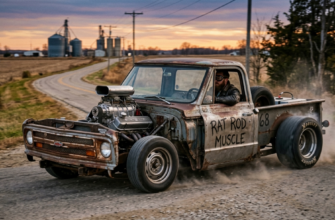
Rat rods, on the other hand, embrace imperfection. The philosophy centers around individuality, creativity, and a rebellious attitude. Rust, patina, and rough edges are not flaws—they’re part of the identity.
2. Appearance and Finish
One of the most noticeable differences lies in appearance. Traditional hot rods typically feature glossy paint jobs, chrome accents, and meticulous detailing.
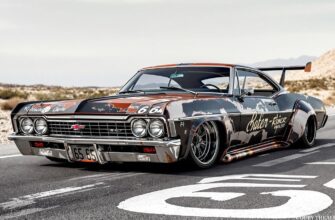
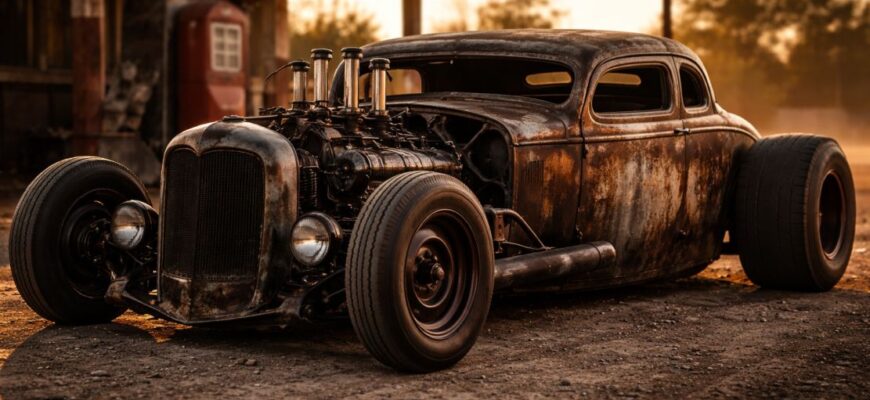
Rat rods intentionally go the opposite direction. Matte finishes, exposed welds, and weathered surfaces are common. The goal is to look raw and unfinished—even if significant effort went into achieving that look.
3. Build Quality and Craftsmanship
Traditional hot rods often showcase high levels of precision and professional-grade workmanship. Every component is carefully selected and installed to meet strict standards.
Rat rods can vary widely in build quality. While some are expertly engineered beneath the surface, others prioritize aesthetic over refinement. This makes it essential for builders to balance style with safety.
4. Budget and Accessibility
Building a traditional hot rod can be expensive. High-quality materials, paint jobs, and professional labor all contribute to the cost.
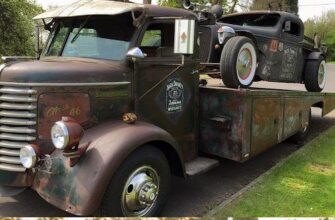
Rat rods are generally more budget-friendly. Builders often use recycled parts, junkyard finds, and DIY solutions, making the style more accessible to hobbyists with limited resources.
5. Engine and Performance
Performance is a key element in traditional hot rods. Engines are often rebuilt or upgraded for speed and reliability, reflecting the racing roots of the culture.
Rat rods may still feature powerful engines, but performance is not always the primary focus. In some cases, the visual impact takes precedence over speed or efficiency.
6. Historical Influence and Authenticity
Traditional hot rods are deeply rooted in automotive history, particularly the post-war era of the 1940s and 1950s. Builders often strive for period-correct components and styling.
Rat rods take inspiration from early hot rodding but reinterpret it with a modern, rebellious twist. Historical accuracy is less important than personal expression.
7. Community and Culture
The traditional hot rod community tends to value authenticity, restoration, and respect for heritage. Car shows and competitions often emphasize quality and historical correctness.
Rat rod culture is more laid-back and unconventional. It celebrates uniqueness, humor, and breaking the rules. Events often feature wild builds that challenge traditional norms.
Conclusion
Both rat rods and traditional hot rods offer unique ways to express creativity and passion for automotive culture. While traditional hot rods emphasize precision, history, and performance, rat rods thrive on individuality and raw aesthetics. Ultimately, the choice comes down to your personal style, budget, and vision. Whichever path you choose, the journey of building your own custom car is what truly makes the experience rewarding.
(2)