
Discover what defines a real rat rod vehicle. Explore custom engineering, iconic builds, rust aesthetics, expert fabrication tips, and key specs in this deep dive.
- The Ultimate Guide to Rat Rod Vehicles: Built, Not Bought
- 1. Defining the Rat Rod: History, Rebellious Origins, and Philosophy
- 2. Anatomy of an Iconic Rat Rod Build
- 3. Top Donor Vehicles, Engines, and Drivetrains
- 4. Patina Mastery: Preserving Rust, Wear, and Authentic Aesthetics
- Expert Tip: Preserving Real Rust
- 5. Engineering Safety into a Raw Custom Vehicle
- Essential Mechanical Safety Checks
- 6. Legendary Rat Rod Builds and Famous Fabricators
- Iconic Examples
- 7. Budget Breakdown: How to Build a Rat Rod for Under ,000
- Cost-Cutting Strategies
- 8. Street Legality, Inspection Protocols, and Registration
- Essential Registration Tips
- 9. Essential Tools and Equipment for Fabrication
- Recommended Fabrication Tools
- 10. The Future of Rat Rod Culture: EV Conversions and Modern Customization
- Expert Recommendations & Final Takeaways
- Frequently Asked Questions
- What is the difference between a hot rod and a rat rod?
- Are rat rods street legal?
- How much does it cost to build a rat rod vehicle?
- What base models are best for a rat rod build?
- Is clear coating rust safe and durable?
The Ultimate Guide to Rat Rod Vehicles: Built, Not Bought
Meta Title: Rat Rod Vehicles: The Ultimate Guide to Custom DIY Builds & Culture
1. Defining the Rat Rod: History, Rebellious Origins, and Philosophy
The rat rod movement emerged as a direct counter-culture response to the hyper-commercialization and high-stakes financial barriers of traditional hot rodding during the late 1980s and early 1990s. As modern street rods evolved into polished trailer queens costing six figures, traditional garage mechanics and purists revolted. They sought a return to the original post-WWII hot rod ethos — raw speed, mechanical function, and hands-on resourcefulness.
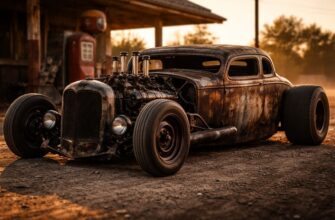
Unlike trailer queens that prioritize flawless paint, expensive billet aluminum, and spotless engine bays, a rat rod celebrates imperfection. It wears its history openly through faded paint, exposed welds, natural patina, and improvised mechanical solutions. The core philosophy is straightforward: built, not bought.
Traditional Hot Rod                      Rat Rod Movement
+--------------------------------+       +--------------------------------+
| High-gloss enamel paint        |       | Natural patina / surface rust   |
| High-cost aftermarket parts    | VS    | Repurposed scrap & donor parts |
| Professional shop builds       |       | Garage DIY fabrication          |
| Aesthetic perfection focus     |       | Raw mechanical performance     |
+--------------------------------+       +--------------------------------+
Understanding this ethos requires looking at how builders approach raw materials. Every rust spot tells a story, and every repurposed component represents a creative bypass of commercial auto parts catalogs.
2. Anatomy of an Iconic Rat Rod Build
A successful rat rod is a masterclass in custom engineering. Stripping away unnecessary cosmetic panels exposes the fundamental mechanical backbone of the vehicle, putting raw mechanics on display.
+-----------------------------------------------------------------+
|                       RAT ROD CHASSIS STRUCTURE                 |
+-----------------------------------------------------------------+
|  [ Exposed Engine Block ] ---> [ Extreme Roof Chop (4–8 in) ]  |
|            |                                |                   |
|  [ Z-Chassis Frame Step ] <---> [ Floorboard Drop / Channel ]   |
|            |                                |                   |
|  [ Straight I-Beam Axle ] ----> [ Friction / Air Suspension ]   |
+-----------------------------------------------------------------+
Key anatomical features include:
- Extreme Body Chops and Channeling: Lowering the roofline by 4 to 8 inches creates an aggressive, crouching profile. Channeling lowers the body shell directly over the frame rails to drop the center of gravity.
- Z-Framing (Zing the Frame): Stepping the front or rear frame rails upward allows the body to sit inches off the pavement while maintaining axle travel clearance.
- Unshielded Powertrains: Exposed engine bays without hoods or fenders allow total visual access to intake manifolds, exhaust headers, and valve covers.
- Improvised Cockpit Elements: Interior components often feature bomber plane seats, metal beer keg fuel tanks, chain steering wheels, and custom tall shifters topped with grenade or brass knuckle grips.
3. Top Donor Vehicles, Engines, and Drivetrains
Selecting the right chassis, body, and engine combination determines the build trajectory, fabrication complexity, and total budget.
| Vehicle / Component | Era / Type | Fabrication Complexity | Typical Cost Range | Primary Appeal |
| Ford Model A Body | 1928–1931 | Moderate to High | $2,500 – $6,000 | Classic proportion, easy chop potential |
| Chevy Pickup Cab | 1947–1954 (Advance-Design) | Moderate | $1,200 – $3,500 | Widely available, aggressive cab lines |
| Chevy Small Block 350 | V8 Engine | Low | $800 – $2,500 | Cheap replacement parts, high reliability |
| Ford Flathead V8 | Vintage V8 | High | $2,000 – $5,000 | Era-correct aesthetic, iconic exhaust tone |
| Cummins 4BT Turbo | Diesel Engine | High | $2,500 – $4,500 | Extreme torque, unique dark exhaust smoke |
Drivetrain combinations often cross brand lines without hesitation. It is common to see a Ford body resting on a custom box-tubing frame, powered by a Chevrolet Small Block 350 V8 engine mated to a Turbo 350 transmission and a Ford 9-inch rear differential.
4. Patina Mastery: Preserving Rust, Wear, and Authentic Aesthetics
Natural patina is the visual centerpiece of rat rod culture. Preserving authentic rust while preventing deep structural perforation requires specific metal surface management techniques.
+------------------------------------------------------------------+
|                     PATINA PRESERVATION PROCESS                  |
+------------------------------------------------------------------+
| 1. Surface Degreasing (Chemical Wash / Solvent Cleaning)          |
|    |                                                             |
| 2. Mechanical Stabilization (Scuffing loose rust with Wire Wheel) |
|    |                                                             |
| 3. Neutralization (Mild Rust Inhibitor / Phosphoric Acid Wash)   |
|    |                                                             |
| 4. Protective Sealing (Clear Polyurethane Satin or Linseed Oil)  |
+------------------------------------------------------------------+
Expert Tip: Preserving Real Rust
Pro Tip: Never use gloss clear coat over real surface rust, as light reflections reveal the clear coat layer and spoil the raw look. Instead, scuff loose oxidation using 0000-gauge steel wool, wash thoroughly with isopropyl alcohol, and apply two thin coats of satin or matte clear polyurethane. Alternatively, rub down the body with raw boiled linseed oil every six months to seal raw steel while retaining a natural texture.
5. Engineering Safety into a Raw Custom Vehicle
A vehicle can look raw and unpolished while remaining mechanically sound and structurally safe. Safety engineering should never be compromised for aesthetics.
Essential Mechanical Safety Checks
- Frame Integrity: Ensure custom wall tubing uses minimum 3/16-inch steel wall thickness. Inspect all welds for full penetration using dye penetrant testing or magnetic particle testing.
- Braking Systems: Dual-reservoir master cylinders are required. Convert front drum brakes to disc brakes to ensure predictable stopping power under load.
- Steering Geometry: Avoid bump steer issues by matching draglink angles to radius rod angles. Ensure hairpins and radius rods use high-quality Heim joints or Grade 8 fasteners.
- Structural Clearance: Maintain at least 3 inches of ground clearance under full suspension compression to prevent frame drag on uneven road surfaces.
6. Legendary Rat Rod Builds and Famous Fabricators
The rat rod scene features iconic builds that proved custom fabrication can rival traditional automotive shows in engineering detail and public interest.
Iconic Examples
- Welderup’s “Overkill”: Built by Steve Darnell, this diesel-powered monster incorporates twin-turbochargers, heavy industrial components, and custom structural work that elevated rat rod builds to international prominence.
- The “Ratsun” Datsun Pickups: Popularized by Japanese truck enthusiasts, these builds fuse low-rider stance, classic import truck cabs, and raw surface rust with swapped high-output engine setups.
- Blown 1932 Ford Coupe “Patina Beast”: Featuring a supercharged V8 protruding far above the chopped roofline, this vehicle balances raw drag strip power with classic rat rod body proportions.
7. Budget Breakdown: How to Build a Rat Rod for Under $5,000
Building on a tight budget requires hunting for parts across scrap yards, online marketplaces, and swap meets.
Estimated Budget Allocation ($5,000 Total Target)

+-----------------------------------------------------+
| [ Engine & Drivetrain ]         $1,500  (30%)       |
| [ Donor Body Shell ]            $1,200  (24%)       |
| [ Steel Tubing & Frame Material ] $600  (12%)       |
| [ Steering & Braking Hardware ]   $700  (14%)       |
| [ Wheels, Tires & Hardware ]      $600  (12%)       |
| [ Miscellaneous / Consumables ]   $400  (8%)        |
+-----------------------------------------------------+
Cost-Cutting Strategies
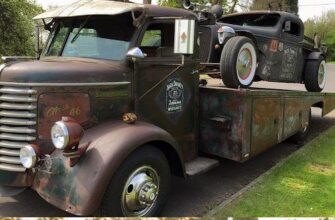
- Source Donor Utility Vehicles: Instead of buying expensive Ford coupes, look for 1940s farm trucks, international harvesters, or old delivery vans.
- Fabricate Frame Rails: Buying aftermarket chassis setups is costly. Purchase 2×4-inch rectangular box steel tubing and build a custom frame from scratch using precise jigging.
- Repurpose Non-Automotive Scrap: Use discarded road signs for interior door panels, industrial chain links for steering linkages, and vintage metal toolboxes as center consoles or battery boxes.
8. Street Legality, Inspection Protocols, and Registration
Navigating motor vehicle regulations requires clear documentation, structural safety compliance, and proper vehicle title categorization.
+-----------------------------------------------------------------+
|                   REGISTRATION & TITLE FLOWCHART                |
+-----------------------------------------------------------------+
| [ Source Donor Title / Bill of Sale ]                           |
|    |                                                            |
|    v                                                            |
| [ Verify VIN Plate / Apply for Specially Constructed Title ]    |
|    |                                                            |
|    v                                                            |
| [ Install Mandatory Safety Items (Lights, Glass, Brakes, Belts) ] |
|    |                                                            |
|    v                                                            |
| [ Pass State Police / Regional Mechanical Inspection ]           |
|    |                                                            |
|    v                                                            |
| [ Issue Street Legal Tags & Vintage Specialty Insurance ]       |
+-----------------------------------------------------------------+
Essential Registration Tips
- Title Matching: Ensure your frame or cab possesses a clean title or verifiable bill of sale before cutting into the sheet metal.
- Apply for Specially Constructed Vehicle (SPCN) Status: Many regions offer custom build title registration paths that bypass modern safety crash test standards while verifying basic road readiness.
- Secure Specialty Insurance: Traditional auto insurers often struggle to assess custom rat rods. Obtain coverage through specialty collector vehicle insurers using agreed-value policies backed by clear build documentation photos.
9. Essential Tools and Equipment for Fabrication
Building a rat rod at home requires specific fabrication tools to chop, shape, join, and align custom steel components.
Garage Tool Hierarchy

Essential Foundation:
├── MIG Welder (220V, Shielding Gas Setup)
├── Angle Grinder (4.5-inch with Cut-off & Flap Discs)
└── Plasma Cutter or Torch Set

Advanced Precision:
├── Tubing Bender & Notchers
├── Sheet Metal Shrinker / Stretcher
└── Precision Digital Angle Gauge & Laser Levels
Recommended Fabrication Tools
- MIG / TIG Welder: A 220V MIG welder using argon/CO2 shielding gas provides strong, clean welds across frame rails and sheet metal chassis panels.
- 4.5-Inch Angle Grinders: Keep multiple grinders loaded with cut-off wheels, flap discs, and wire wheels to cut and shape steel efficiently without constant disc swapping.
- Plasma Cutter: Essential for slicing through heavy steel plate, custom bracketry, and intricate body modifications cleanly.
- Sheet Metal Shrinker and Stretcher: Allows you to shape smooth metal patch panels when repairing rotted floorboards or adjusting door clearances.
10. The Future of Rat Rod Culture: EV Conversions and Modern Customization
The rat rod movement continues to adapt, embracing modern powertrain swaps while preserving its raw, rebellious character.
+---------------------------------------------------------------+
|                    THE EV RAT ROD EVOLUTION                   |
+---------------------------------------------------------------+
| Raw Surface Patina Shell  +  High-Torque Electric Motor Swap  |
| Exposed Iron Mechanics    +  Visible Exposed Battery Packs    |
| Scrap Aesthetics          +  Instant Sub-3-Second Torque      |
+---------------------------------------------------------------+
Electric vehicle (EV) conversions represent one of the fastest-growing niches in modern custom automotive fabrication. Builders are fitting salvaged electric motors and battery modules into 1930s Ford cabs and vintage truck chassis. Mounting visible battery banks directly inside custom-fabricated wooden crates or rusted metal enclosures highlights both past and present engineering.
This fusion proves that rat rod culture is not tied to a single engine type or decade. It is defined by an uncompromising commitment to creative freedom, resourcefulness, and practical garage engineering.
Expert Recommendations & Final Takeaways
Building a rat rod requires balancing raw design with sound mechanical execution. Keep these core principles in mind before cutting into your donor body:
- Prioritize Structural Safety First: Keep the exterior raw, but make sure the frame, steering linkages, and braking components are built to modern strength standards.
- Maintain Accurate Build Documentation: Document every step with clear photos, receipts, and VIN verifications to simplify registration and insurance approval.
- Focus on Function over Form: Every component should serve a clear purpose or solve a structural challenge through simple, practical fabrication.
Explore our related resources for detailed step-by-step guides on home fabrication:
- Step-by-Step Chopping and Channeling Guide
- Classic Suspension Geometry and Alignment Specs
- Custom EV Conversion Blueprint for Vintage Chassis
Frequently Asked Questions
What is the difference between a hot rod and a rat rod?
A hot rod focuses on pristine cosmetic finishes, high-end paint, expensive chrome, and polished engine components. A rat rod prioritizes raw, unfinished aesthetics, visible welds, salvaged rust, structural repurposing, and mechanical performance over glossy appearance.
Are rat rods street legal?
Yes, provided they meet state or regional minimum road safety requirements. Essential components typically include working headlights, taillights, turn signals, mirrors, functional seatbelts, windshield wipers, and adequate braking systems.
How much does it cost to build a rat rod vehicle?
A budget rat rod build costs between $3,000 and $8,000 using sourced components, donor engines, and self-done fabrication. Higher-end, custom-engineered builds featuring rare vintage bodies can reach $15,000 to $25,000.
What base models are best for a rat rod build?
Classic donor vehicles include 1928–1931 Ford Model A, 1932–1934 Ford Coupes, 1940s–1950s Chevrolet pickup trucks, Dodge Plymouths, and vintage farm trucks or delivery vans.
Is clear coating rust safe and durable?
Yes, applying a satin or matte polyurethane clear coat over stable surface rust locks in the patina look, prevents moisture penetration, and stops active structural degradation.
Ready to start your custom build? Join our garage community to download structural framing diagrams, access step-by-step chop templates, and share your project progress with veteran fabricators today.
(5)